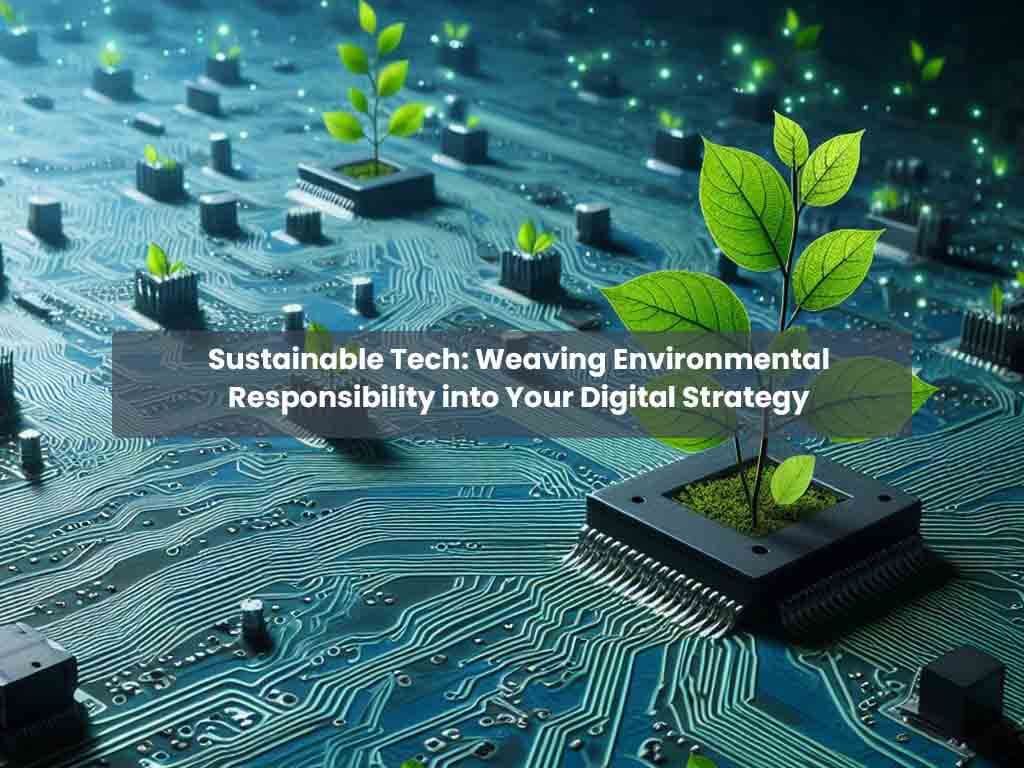
The digital revolution has undeniably transformed our world. From communication and commerce to entertainment and education, technology is woven into the fabric of our lives. However, this progress comes with an environmental cost. Data centers, electronic waste, and the energy demands of our ever-connected world pose significant sustainability challenges.
Fortunately, the same technological ingenuity driving the digital age can also be harnessed to create a more sustainable future. This is where “Sustainable Tech” emerges – a movement that advocates for integrating environmental responsibility into digital strategies.
Why Embrace Sustainable Tech?
There are compelling reasons for businesses to embrace sustainable tech practices:
-
Environmental Responsibility: Consumers are increasingly environmentally conscious and expect businesses to operate sustainably. Embracing sustainable tech demonstrates your commitment to environmental stewardship and can attract eco-conscious customers.
-
Reduced Costs: Sustainable tech practices often translate to operational efficiencies. Optimizing data center energy consumption or extending the lifespan of electronic devices can lead to significant cost savings.
-
Enhanced Brand Reputation: Demonstrating a commitment to sustainability fosters brand loyalty and a positive reputation. Customers appreciate businesses that prioritize environmental responsibility.
Strategies for Integrating Sustainable Tech
Here are some actionable strategies businesses can implement to integrate sustainability into their digital strategies:
-
Cloud Optimization: Cloud computing offers significant advantages in terms of energy efficiency compared to on-premise data centers. Migrate to cloud platforms with strong sustainability commitments and explore options powered by renewable energy sources.
-
Green Data Center Practices: If maintaining on-premise data centers is necessary, prioritize energy efficiency. Utilize cooling technologies that minimize water usage and invest in renewable energy sources like solar panels.
-
E-Waste Management: Electronic waste is a growing concern. Implement responsible e-waste management practices, including device recycling, refurbishment, and responsible disposal of end-of-life electronics.
-
Sustainable Software Development: Software development practices can also be optimized for sustainability. Prioritize lightweight code to reduce energy consumption during application usage, and explore energy-efficient coding practices.
-
Green IT Procurement: When purchasing IT equipment, consider energy efficiency certifications and lifecycle assessments. Look for durable, long-lasting equipment and prioritize devices with responsible end-of-life management options.
-
Sustainable User Engagement: Empower users to contribute to sustainable practices. Develop eco-friendly features within your applications and encourage responsible device charging habits.
Examples of Sustainable Tech in Action
Here are some inspiring examples of companies embracing sustainable tech:
-
Patagonia: This outdoor apparel company prioritizes sustainable practices throughout its supply chain. They utilize cloud computing powered by renewable energy and offer robust repair and refurbishment programs for their products.
-
Apple: Apple is committed to reducing their environmental footprint. Their data centers utilize renewable energy sources, and they offer comprehensive recycling programs for their devices.
-
Microsoft: Microsoft has set ambitious sustainability goals and is actively pursuing innovations like “Project Natick,” an underwater data center powered by renewable energy sources.
The Future of Sustainable Tech
Sustainable tech is not a fad; it’s the future. As technology continues to evolve, we can expect advancements in areas like:
-
AI-Powered Optimization: Artificial intelligence can play a crucial role in optimizing data center operations, software development efficiency, and overall energy consumption.
-
Circular Economy for Electronics: The concept of a circular economy, where resources are kept in use for as long as possible, will gain traction in the electronics industry, encouraging extended lifespans for devices and responsible material recovery practices.
-
Renewable Energy Integration: The integration of renewable energy sources into data center operations and powering the ever-growing cloud infrastructure will become increasingly prevalent.
Conclusion: A Shared Responsibility for a Sustainable Future
The responsibility for achieving a sustainable future in the digital age lies with all stakeholders. Businesses must prioritize sustainable tech practices, while consumers can support eco-conscious companies and adopt sustainable habits in their own technology use. By working together, we can leverage the power of technology to create a more environmentally responsible digital future.
References and Resources:
https://www.greendatacenters.com/ – The Green Data Centre Alliance: This organization promotes sustainability in data center design, construction, and operations.
https://ewastemonitor.info/wp-content/uploads/2020/11/GEM_2020_def_july1_low.pdf – The Global E-waste Monitor by the United Nations: This report provides valuable insights on the growing problem of electronic waste and potential solutions.
https://commission.europa.eu/live-work-travel-eu/consumer-rights-and-complaints/sustainable-consumption_en – Sustainable Consumption information from the European Environment Agency: This website offers resources on sustainable consumption practices related to technology.
https://www.patagonia.com/our-footprint/ – Patagonia Sustainability webpage: Showcases this company’s commitment to environmental responsibility throughout their supply chain.
https://www.apple.com/environment/ – Apple and the Environment webpage: Details Apple’s various initiatives to reduce their environmental footprint.
https://www.microsoft.com/en-us/corporate-responsibility/sustainability – Microsoft Sustainability webpage: Provides information on Microsoft’s sustainability goals and innovative projects like Project Natick.